Jan 08, 2026
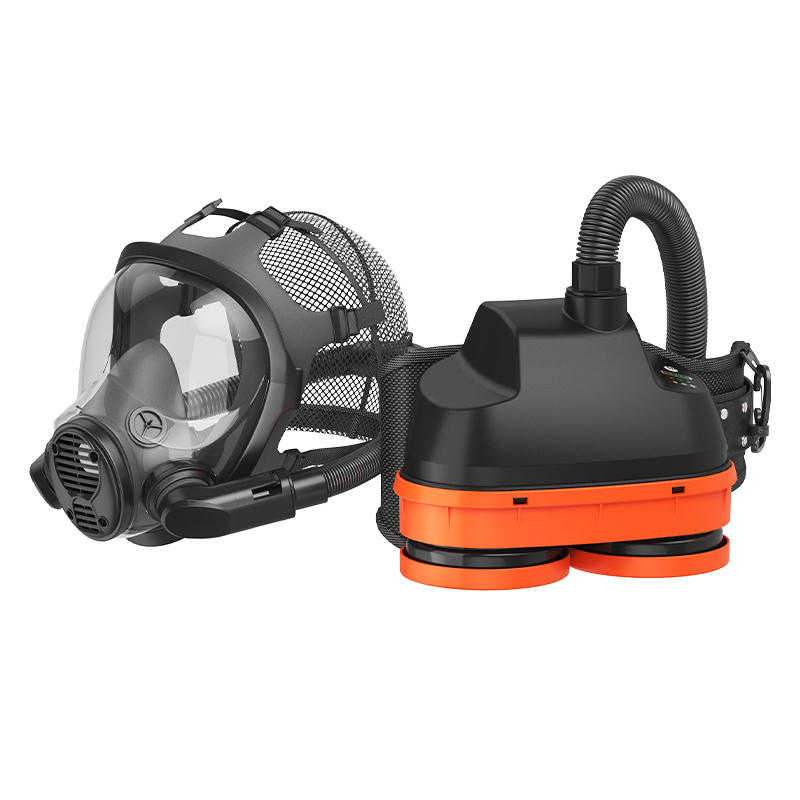
Les raffineries présentent une longue chaîne de procédés et des scénarios d'exploitation complexes, avec des risques respiratoires très différents selon les postes occupés : certains doivent faire face à des environnements inflammables et explosifs, d'autres doivent résister à une pollution composite « poussières-toxines », et d'autres encore doivent simplement empêcher la pénétration de poussières. respirateur purificateur L’objectif est de « répondre aux risques en fonction de la demande ». Le document suivant regroupe les principales fonctions dans les raffineries afin de clarifier les scénarios d’utilisation des différents types d’appareils de protection respiratoire à ventilation assistée (PAPR), fournissant ainsi aux entreprises un guide pour configurer avec précision leurs équipements de protection. Appareil de protection respiratoire à ventilation assistée (PAPR) antidéflagrant : adapté aux professions à haut risque en environnements inflammables et explosifs. Les unités d’hydrotraitement, les unités de reformage, les zones de stockage d’essence/diesel et les espaces confinés des raffineries contiennent des gaz inflammables et explosifs tels que le sulfure d’hydrogène, le méthane et le benzène, qui appartiennent aux zones à risque d’explosion (par exemple, zone 1, zone 2). Les personnes travaillant dans ces environnements doivent utiliser un PAPR certifié antidéflagrant. Parmi les professions typiques, on trouve : les agents de maintenance des unités d’hydrotraitement (chargés de l’ouverture et de la maintenance des réacteurs et des échangeurs de chaleur, dans un environnement présentant de fortes concentrations d’hydrogène et de sulfure d’hydrogène), les agents de nettoyage des réservoirs de stockage (travaillant à l’intérieur des réservoirs de pétrole brut et de produits finis, où les résidus d’huile et de gaz sont susceptibles de former des mélanges explosifs), les opérateurs d’unités de craquage catalytique (surveillant le système de réaction-régénération, avec un risque de fuite d’huile et de gaz) et les travailleurs en espaces confinés (travaillant dans des espaces clos tels que les réacteurs, les chaudières de récupération de chaleur et les canalisations souterraines). Ces appareils de protection respiratoire à ventilation assistée (PAPR) doivent posséder une certification antidéflagrante de sécurité intrinsèque ATEX ou IECEx, et leurs composants essentiels, tels que les moteurs et les batteries, doivent isoler les étincelles électriques afin d'éviter les accidents d'explosion. Composite filtrant gaz et poussière papier respiratoirePrincipal type d'équipement de protection individuelle (EPI) pour les professions exposées à la coexistence de poussières et de toxines. La plupart des étapes de production dans les raffineries génèrent simultanément des gaz toxiques et des poussières, formant une pollution composite « poussières-toxines ». Les personnes travaillant dans ces environnements doivent choisir un EPI composite avec filtration haute performance des poussières et filtration dédiée des gaz. Parmi les professions concernées, on peut citer : les opérateurs de décokage dans les unités de craquage catalytique (une grande quantité de poussières de catalyseur est générée lors du décokage, accompagnée de fuites de COV et de sulfure d'hydrogène dans les gaz de craquage), les opérateurs de raffinerie d'asphalte (des gaz toxiques tels que le benzopyrène sont libérés lors du chauffage de l'asphalte, ainsi que des fumées d'asphalte), les opérateurs d'unités de récupération du soufre (risque de fuites de dioxyde de soufre et de sulfure d'hydrogène lors du traitement des gaz résiduaires soufrés, accompagné de poussières de soufre) et les manutentionnaires de catalyseurs usés (la poussière est omniprésente lors de la manipulation et du tamisage des catalyseurs usés, et ces derniers peuvent contenir des métaux lourds toxiques). Appareil de protection respiratoire à ventilation assistée (PAPR) filtrant uniquement les poussières : Convient aux métiers ne présentant pas de gaz toxiques et exposés uniquement à la pollution par les poussières. Dans certains procédés auxiliaires ou ultérieurs des raffineries, l’environnement de travail ne génère que des poussières, sans risque de fuite de gaz toxiques. Dans ce cas, le choix d’un appareil de protection respiratoire à ventilation assistée (PAPR) filtrant uniquement les poussières est approprié. respirateurs motorisés Ces équipements répondent aux besoins de protection tout en assurant un confort optimal. Parmi les professions typiques, on peut citer : les inspecteurs de pontons de transfert de pétrole (des poussières d’impuretés sont générées lors du chargement et du déchargement du pétrole brut, sans dégagement de gaz toxiques), les assistants de nettoyage des cendres de chaudière (nettoyage des cendres dans le foyer des chaudières au charbon ou au fioul, où les principaux polluants sont les cendres volantes et les poussières de scories), les opérateurs d’atelier de mélange d’huiles lubrifiantes (des poussières d’huile lubrifiante sont générées lors du mélange de l’huile de base et des additifs, sans composés volatils toxiques) et les manutentionnaires d’entrepôt (des poussières d’emballage sont générées lors de la manipulation de catalyseurs et d’adsorbants ensachés, et la zone de travail est bien ventilée, sans accumulation de gaz toxiques). Note complémentaire : Certaines professions exigent une adaptation flexible à plusieurs types d’appareils de protection respiratoire à ventilation assistée (PAPR). Par exemple, les techniciens de maintenance des équipements dans les raffineries peuvent être amenés à intervenir dans des espaces confinés pour des opérations à risque d’explosion (avec un PAPR antidéflagrant) et à effectuer le nettoyage des cendres et la maintenance des équipements extérieurs (avec un PAPR à filtration de poussière simple). De même, les techniciens de maintenance des instruments intervenant dans différentes zones de l’usine doivent utiliser un PAPR composite pour la maintenance des points de fuite de gaz toxiques et un PAPR à filtration de poussière simple pour les inspections de routine. Par conséquent, outre la configuration de base par profession, les entreprises doivent également adapter dynamiquement le type de PAPR en fonction des résultats de l’évaluation des risques avant toute intervention afin de garantir une protection optimale.En résumé, le choix des appareils de protection respiratoire à ventilation assistée (PAPR) dans les raffineries ne repose pas sur une solution unique, mais sur l'identification des risques. Trois types principaux sont distingués (antidéflagrants, à filtration combinée gaz et poussières, et à filtration simple des poussières) en fonction des risques présents dans les scénarios d'exploitation. Un choix judicieux permet non seulement de garantir la sécurité respiratoire des travailleurs, mais aussi de réduire les coûts d'utilisation des équipements de protection et d'améliorer l'efficacité opérationnelle, constituant ainsi un rempart efficace pour la sécurité de la production des entreprises.Pour en savoir plus, veuillez cliquerwww.newairsafety.com.
EN SAVOIR PLUS




 Réseau IPv6 pris en charge