Dec 11, 2025
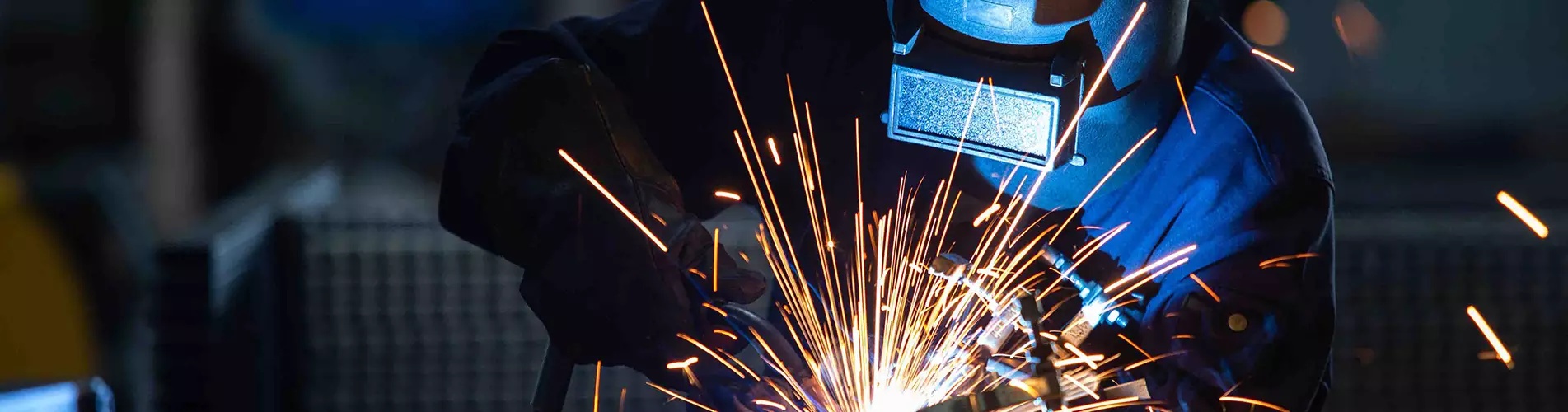
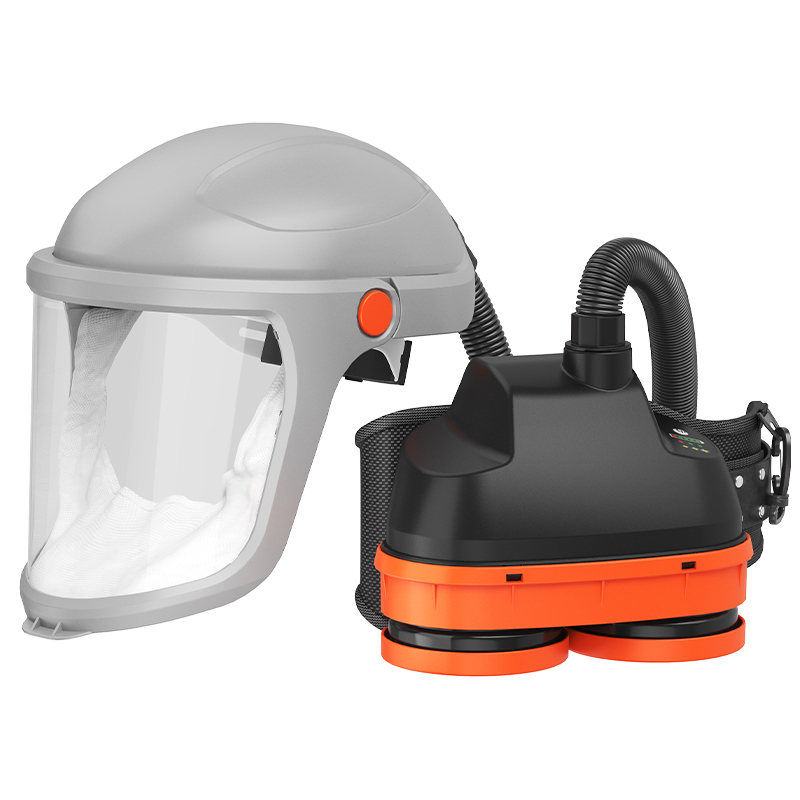
La peinture automobile au pistolet impose des exigences strictes tant en matière de précision du processus que de santé des opérateurs. Elle doit non seulement garantir une finition lisse et uniforme, avec une couleur homogène, mais aussi gérer la présence de diverses substances nocives omniprésentes. Lors de la pulvérisation, de l'apprêt à la couche de base et au vernis, des matières dangereuses telles que les particules de brouillard de peinture, les vapeurs organiques et les composés organiques volatils (COV) sont constamment exposées. Les masques anti-poussière ou demi-masques ordinaires offrent une protection insuffisante ; de plus, leur résistance respiratoire élevée peut nuire à la stabilité du travail. En tant qu'équipement de protection individuelle,masque facial à air comprimé Le système PAPR (respiration assistée) est devenu une barrière de protection standard dans le domaine de la peinture automobile, grâce à son double avantage : une alimentation en air active et une filtration haute performance. Aujourd’hui, nous allons explorer les principales raisons pour lesquelles le PAPR est indispensable à la peinture automobile et comment choisir le modèle adapté à chaque situation. Les spécificités du secteur de la peinture automobile font que les équipements de protection individuelle classiques sont loin de répondre aux exigences – et c'est précisément là tout l'intérêt des appareils de protection respiratoire à ventilation assistée (PAPR). Premièrement, le processus de pulvérisation produit des particules de peinture d'un diamètre de seulement 0,1 à 10 microns. Ces particules fines peuvent facilement pénétrer les masques ordinaires et, en cas d'inhalation prolongée, se déposent dans les poumons, provoquant des maladies professionnelles telles que la pneumoconiose. Par ailleurs, les solvants contenus dans la peinture (comme le toluène et le xylène) se volatilisent en vapeurs organiques à forte concentration. Les masques à charbon actif classiques ont une capacité d'adsorption limitée et deviennent rapidement saturés et inefficaces. Deuxièmement, la peinture automobile exige souvent des postures complexes, comme se pencher ou se courber sur le côté pendant de longues périodes. La résistance respiratoire des masques ordinaires augmente avec le temps d'utilisation, ce qui oblige les opérateurs à respirer difficilement et à perdre leur concentration, ce qui affecte la précision de la finition de la peinture. Appareil respiratoire à pression positive avec casque de sécurité Il diffuse activement de l'air pur grâce à un ventilateur électrique qui, en plus de présenter une résistance respiratoire quasi nulle, bloque plus de 99,97 % des particules fines et des vapeurs nocives grâce à des composants de filtration haute efficacité, assurant ainsi un équilibre entre protection et confort d'utilisation. Outre la protection de base, les appareils de protection respiratoire à ventilation assistée (PAPR) améliorent indirectement la qualité du processus de peinture automobile, ce qui explique en partie leur utilité croissante dans l'industrie. Avec des équipements de protection classiques peu étanches, la poussière extérieure s'infiltre entre le masque et le visage. Cette poussière se dépose sur la peinture non sèche, formant des « taches de poussière » et augmentant les coûts de retouche. En revanche, les masques PAPR sont généralement conçus comme des masques intégraux ou demi-masques, et leur joint élastique assure une étanchéité parfaite, empêchant efficacement la pénétration de polluants extérieurs. Plus important encore, le système d'alimentation en air actif du PAPR crée une légère surpression à l'intérieur du masque. Ainsi, même en cas d'un infime interstice, l'air pur est expulsé, empêchant les polluants extérieurs de pénétrer. Ceci évite fondamentalement les défauts de poussière sur la peinture, un point crucial pour la peinture de précision des véhicules haut de gamme. Choisir le bon respirateur à alimentation électrique Le choix du modèle est indispensable pour une protection optimale. Pour la peinture automobile, deux critères essentiels sont à privilégier : le type de filtre et le mode d'alimentation en air. Les principaux polluants lors de la peinture automobile sont des composés de vapeurs organiques et de particules de peinture. Il est donc impératif de choisir un système de filtration combiné : cartouche pour vapeurs organiques et filtre HEPA haute efficacité. La cartouche absorbe les vapeurs de solvants organiques comme le toluène et l'acétate d'éthyle, tandis que le filtre HEPA retient les fines particules de peinture. Cette combinaison assure une filtration complète. Concernant l'alimentation en air, il est recommandé d'opter pour un appareil de protection respiratoire à ventilation assistée (PAPR) portable sur batterie. Léger (généralement 2 à 3 kg) et doté d'une autonomie de 8 à 12 heures, il permet une pulvérisation continue tout au long de la journée. De plus, l'absence de tuyaux d'air externes offre une grande liberté de mouvement autour du véhicule, idéale pour la peinture de pièces comme les portes et le capot. Il est important de noter que le choix d'un appareil de protection respiratoire à ventilation assistée (PAPR) pour la peinture automobile doit également tenir compte des normes industrielles et des aspects pratiques. Le PAPR n'est pas un équipement optionnel, mais un outil indispensable pour protéger la santé et garantir la qualité du processus. Choisir le bon modèle et effectuer un entretien régulier permettent de rendre les opérations de peinture plus sûres et plus efficaces. Pour en savoir plus, cliquez ici. www.newairsafety.com.
EN SAVOIR PLUS




 Réseau IPv6 pris en charge