Jan 16, 2026
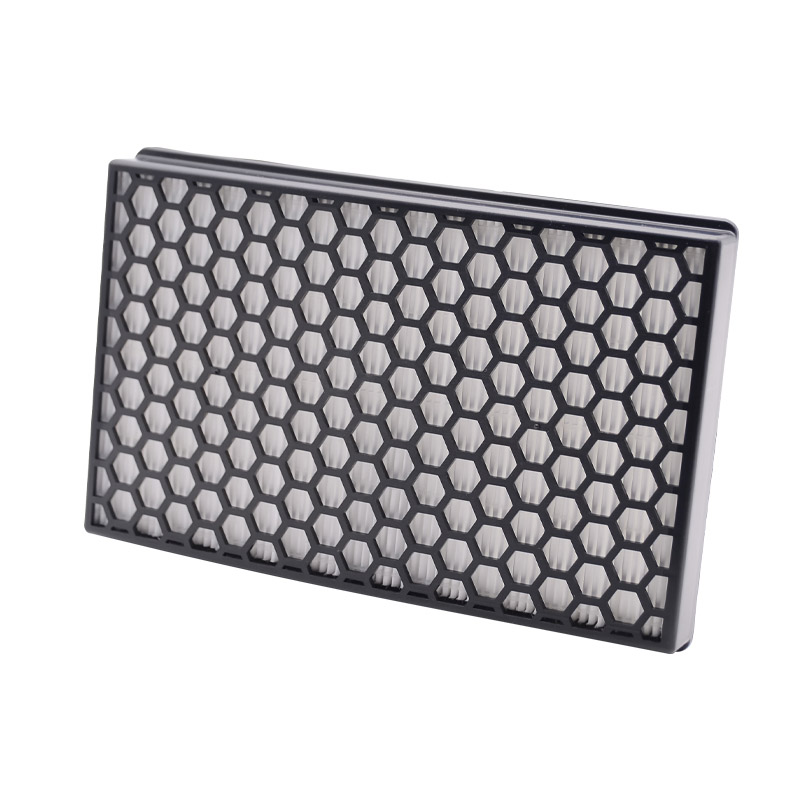
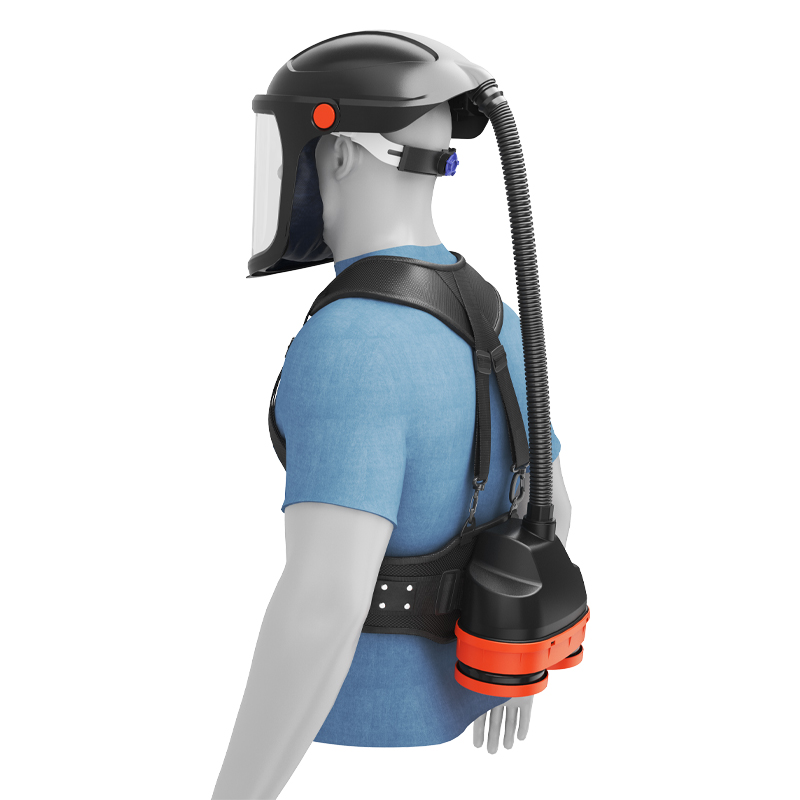
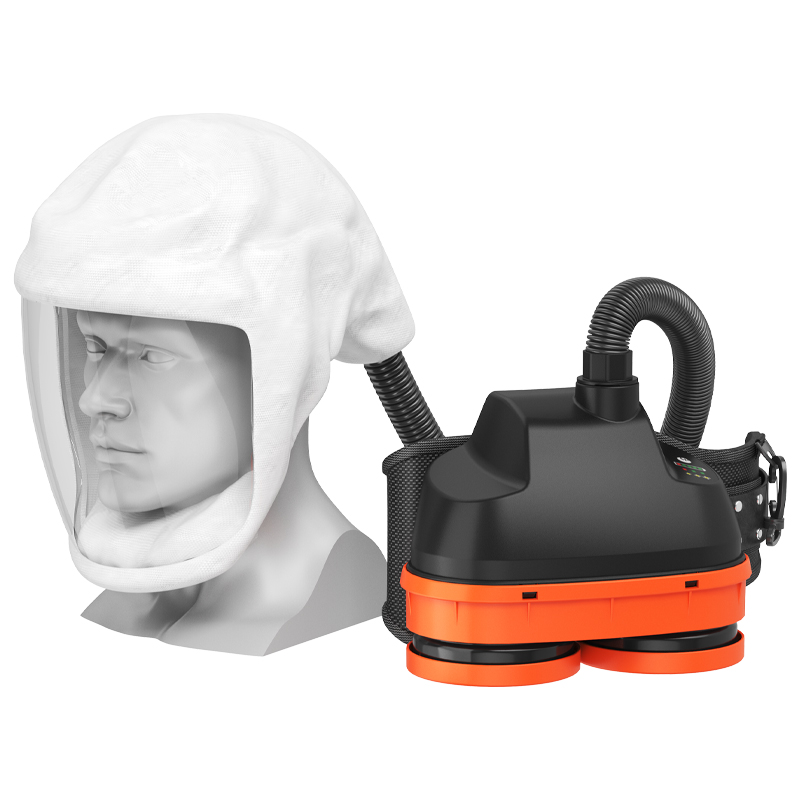
Dans respirateur à purification d'air Dans les scénarios d'application, la plupart des utilisateurs privilégient l'efficacité de filtration et le niveau de protection, négligeant souvent l'impact potentiel des modes d'entrée d'air sur les opérations réelles. Cet article examine les différences entre les modes d'entrée d'air avant, latéral et arrière en termes d'adaptabilité au port, de compatibilité avec les scénarios, de maîtrise de la consommation d'énergie et d'adaptation aux besoins spécifiques des populations, du point de vue des exigences opérationnelles sur site. Le choix du mode d'entrée d'air influe non seulement sur l'efficacité de la protection, mais aussi directement sur la continuité des opérations, le taux de défaillance du matériel et l'acceptation de celui-ci par les employés. Son importance est d'autant plus cruciale dans les scénarios comportant de multiples changements de conditions de fonctionnement et des opérations de longue durée. L'atout majeur des appareils de protection respiratoire à ventilation assistée (PAPR) à entrée d'air frontale réside dans leur légèreté, leur adaptabilité aux situations d'urgence et leur compatibilité avec ces dernières, plutôt que dans leur simple efficacité de ventilation. Cette conception concentre les principaux composants d'entrée d'air et de filtration à l'avant de la tête, ce qui permet de mieux répartir le poids de l'équipement et de déplacer le centre de gravité vers l'avant. Ainsi, ils s'adaptent à la plupart des morphologies crâniennes sans nécessiter de réglage supplémentaire au niveau du dos ou de la taille, et sont particulièrement adaptés aux personnes minces ou souffrant de blessures dorsales anciennes. Lors d'interventions d'urgence, d'inspections temporaires et autres situations similaires, les PAPR à entrée d'air frontale présentent l'avantage d'une mise en place rapide : sans raccordement de tuyau encombrant, ils peuvent être portés immédiatement après le déballage, ce qui représente un gain de temps précieux pour l'évacuation d'urgence. Cependant, certains inconvénients potentiels ne doivent pas être négligés : le centre de gravité avancé peut provoquer des douleurs cervicales après un port prolongé, notamment avec un casque de sécurité, car la pression exercée sur la tête est concentrée, rendant ces appareils inadaptés aux opérations continues de plus de 8 heures. Dans le même temps, l'entrée d'air avant est facilement repoussée par le flux d'air respiratoire, ce qui entraîne la condensation d'humidité sur la surface de l'unité de filtration, ce qui favorise la prolifération de moisissures dans les environnements à forte humidité, affectant ainsi la durée de vie du filtre et la santé respiratoire. Le principal avantage des appareils de protection respiratoire à ventilation assistée avec entrée d'air latérale est adaptabilité de la coordination multi-équipements et confort de la circulation de l'air, C'est ce qui en fait le choix idéal pour des conditions de travail optimales. En milieu industriel, les travailleurs doivent souvent porter des casques de sécurité, des lunettes de protection, des équipements de communication et autres équipements. La disposition de l'unité d'entrée d'air latérale permet d'éviter l'encombrement des équipements devant et au-dessus de la tête, prévenant ainsi les interférences et assurant une bonne stabilité du casque. Comparée au flux d'air direct d'une entrée d'air frontale, l'entrée d'air latérale assure une ventilation enveloppante grâce à une structure de guidage du flux, avec une vitesse d'air plus douce. Ceci évite la sécheresse causée par un flux d'air direct sur les fosses nasales et les yeux, et améliore considérablement le confort lors d'opérations prolongées. Ses limitations résident principalement dans son adaptabilité bilatérale : une entrée d'air unilatérale peut entraîner une répartition inégale de la pression sur la tête, tandis qu'une entrée d'air bilatérale augmente le volume des équipements, risquant de gêner les protections d'épaules et les outils. De plus, le canal de guidage du flux d'air de l'unité d'entrée d'air latérale est étroit ; si la précision de filtration du filtre est insuffisante, des impuretés risquent de s'accumuler au niveau de l'orifice de guidage, perturbant ainsi la régularité du flux d'air. L'intérêt principal de l'entrée d'air arrière purificateur d'air en papier Ce système est conçu pour s'adapter aux conditions de travail extrêmes et limiter les pertes d'équipement, notamment pour les opérations à haute fréquence et haute intensité. L'intégration des composants essentiels (entrée d'air, alimentation et batterie) à l'arrière ne laisse sur la tête qu'une cagoule légère et un tuyau d'alimentation en air. Ceci libère totalement l'espace de travail au niveau de la tête et évite les chocs et l'usure des composants essentiels, réduisant ainsi considérablement les coûts de maintenance et de remplacement. Le poids du système dorsal est uniformément réparti et, grâce à une ceinture et des bretelles réglables, la charge est répartie sur tout le corps. Comparé aux systèmes à entrées d'air frontales ou latérales, il est plus adapté aux opérations longues et intensives. De plus, le long conduit d'air dorsal peut être équipé d'un système de dissipation thermique simple pour éviter la surchauffe de l'équipement dans les environnements à haute température. Cependant, ce système présente certaines contraintes : le système dorsal étant relativement volumineux, il n'est pas adapté aux espaces restreints, aux travaux en hauteur, etc. En tant qu'élément de connexion principal, si le matériau du tuyau ne présente pas une résistance suffisante, il est sujet à la flexion et au vieillissement lors de grands mouvements des membres, et la poussière s'accumule facilement sur la paroi intérieure du tuyau, rendant le nettoyage quotidien plus difficile que pour les équipements d'entrée d'air avant et latérale. Le principe de sélection repose sur l'intégration harmonieuse de l'ensemble « humain-machine-environnement », plutôt que sur une performance individuelle optimale. Pour les opérations principalement d'inspection temporaire et d'intervention d'urgence nécessitant une grande mobilité du personnel, un appareil de protection respiratoire à ventilation assistée (PAPR) avec entrée d'air frontale est préférable afin d'optimiser le confort et la légèreté. Pour les opérations industrielles régulières exigeant plusieurs équipements de protection et une longue durée d'utilisation, l'entrée d'air latérale offre un bon compromis entre confort et coordination. En revanche, pour les opérations à haute fréquence et à forte intensité, avec des exigences strictes en matière de maîtrise des pertes de matériel, l'entrée d'air dorsale est plus rentable. Par ailleurs, certains facteurs spécifiques doivent être pris en compte : l'entrée d'air frontale est à éviter en milieu humide afin de prévenir la condensation ; l'entrée d'air dorsale est proscrite dans les espaces restreints, et un appareil léger avec entrée d'air frontale ou latérale est alors préférable ; enfin, pour les situations nécessitant une communication efficace, l'entrée d'air latérale facilite la coordination avec les équipements de communication. La conception itérative de respirateur à papier Les modes d'admission d'air constituent l'adaptation la plus poussée aux besoins opérationnels. De l'admission d'air frontale initiale, assurant une protection de base, à l'admission d'air latérale, gage de confort et de coordination, jusqu'à l'admission d'air dorsale, adaptée aux conditions de travail extrêmes, chaque mode présente une valeur irremplaçable. Pour les entreprises, le choix ne doit pas se limiter aux caractéristiques techniques de l'équipement, mais prendre en compte les retours d'expérience des opérateurs et les spécificités des scénarios opérationnels. Ainsi, le système de protection respiratoire à ventilation assistée (PAPR) deviendra un atout pour l'efficacité opérationnelle, et non une contrainte, tout en garantissant la sécurité. À l'avenir, avec la généralisation de la conception modulaire, les modes d'admission d'air commutables devraient se généraliser, repoussant ainsi les limites d'un mode unique. Pour en savoir plus, cliquez ici. www.newairsafety.com.
EN SAVOIR PLUS




 Réseau IPv6 pris en charge